Hands-on
Harmony lab same tune, four worlds
Jacob Collier’s harmony comes from reharmonisation (keeping the tune and changing the chords under it), a live harmonizer designed by Ben Bloomberg of the MIT Media Lab — a 2016 interview describes an early twelve-voice version — and his 5-string and 10-string signature Taylor guitars, in alternate tunings.21,35,26
His seven GRAMMYs (as of Nov 2, 2026) are all for arrangement. Reharmonisation — changing the chords under a tune — is one part of arranging; arrangement also involves voices, instrumentation, rhythm, texture and form.22 Here’s a toy version of the reharmonisation move.
Try it
Reharmonise Twinkle Twinkle.
The melody never changes. Slide to change the chords under it, then press play. Move the slider while it plays.
The lab needs JavaScript to make sound.
My illustration, not Jacob’s arrangement. “Twinkle Twinkle, Little Star” is a traditional tune in the public domain. Sound is synthesized in your browser after you tap.
For the real thing, he once spent a three-hour livestream on this exact tune: #TwinkleTwinkleLittleStarChallenge Live! (Jan 2018, 3 h 23 min).65
The instrument
Twelve voices, because his favourite chord has twelve notes.
In 2014 Ben Bloomberg, of the MIT Media Lab, began turning Jacob’s split-screen videos into a live one-man show. A 2016 MIT interview describes the early system he designed: a custom vocal harmonizer that combines Jacob’s voice and keyboard, taking whatever he sings and the keys he presses, and making the chord out of his voice, then up to twelve voices. That is the system as it was described then, not a spec for every later tour.35 Ben has a page of his own.
We thought 12 voices would be good; you can play two keys with your thumb, and Jacob’s favorite chord has all 12 notes in it.
Ben Bloomberg, in Mix38
In December 2016 Jacob spent a residency at MIT with more than 150 students, ending in a concert at Kresge Auditorium, “Imagination Off the Charts.”37 He has worked in Logic Pro since he was 11.38
One guitar, five strings
For The Light For Days (2025) he narrowed it down to his 5-string and 10-string signature Taylor acoustics, in alternate tunings such as DAEAD.26 His publicity line says he writes “songs in keys that don’t exist.”44
Negative harmony, and a Lydian that keeps rising
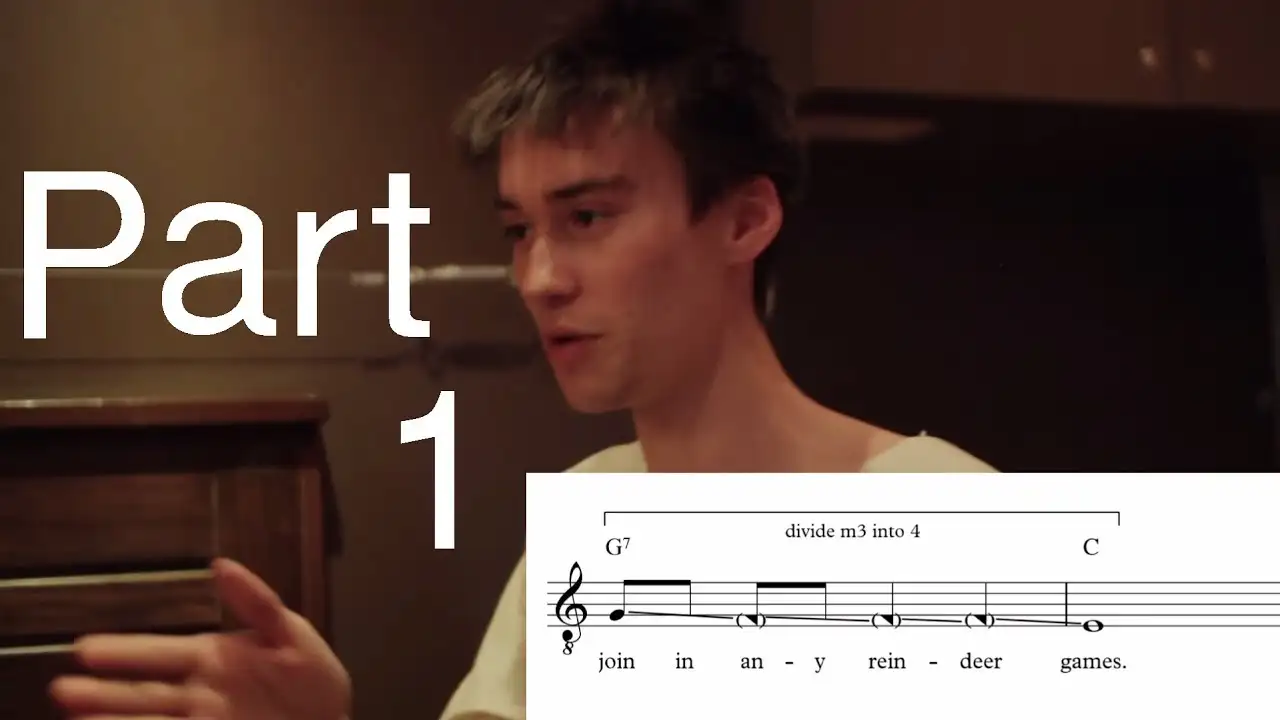
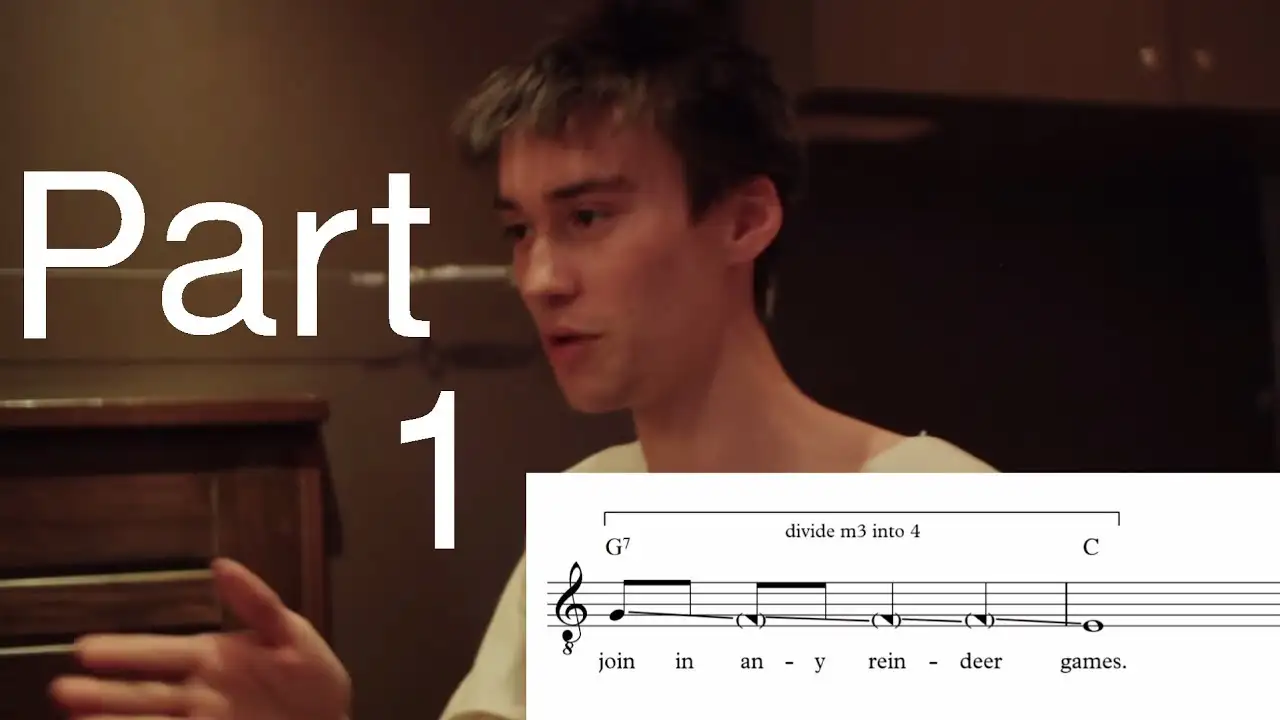
Two ideas fans ask about come from one interview, posted by June Lee on Apr 14, 2017.39 Negative harmony isn’t his invention, and he says so: he credits Ernst Levy’s book A Theory of Harmony, in which every note of a chord is mirrored around the axis of the key. In C, G7 becomes Fm6; both can approach C, though how strongly that feels depends on the context. The book, published by SUNY Press in 1985, had sold seven copies in 2014 and 2015 combined; in the months after the interview it sold more than 850.39,40
In the same interview he describes what he calls the “Super-Ultra-Hyper-Mega-Meta Lydian”: the bright Lydian sound carried on upward, past the root, around the circle of fifths. In his words, I don’t know if I’d call it a scale, but it’s like a sound.
39
Harmony, up close
HARRY · Hide and Seek · Flintstones · the Logic session · 6 videos · 3 h 5 min
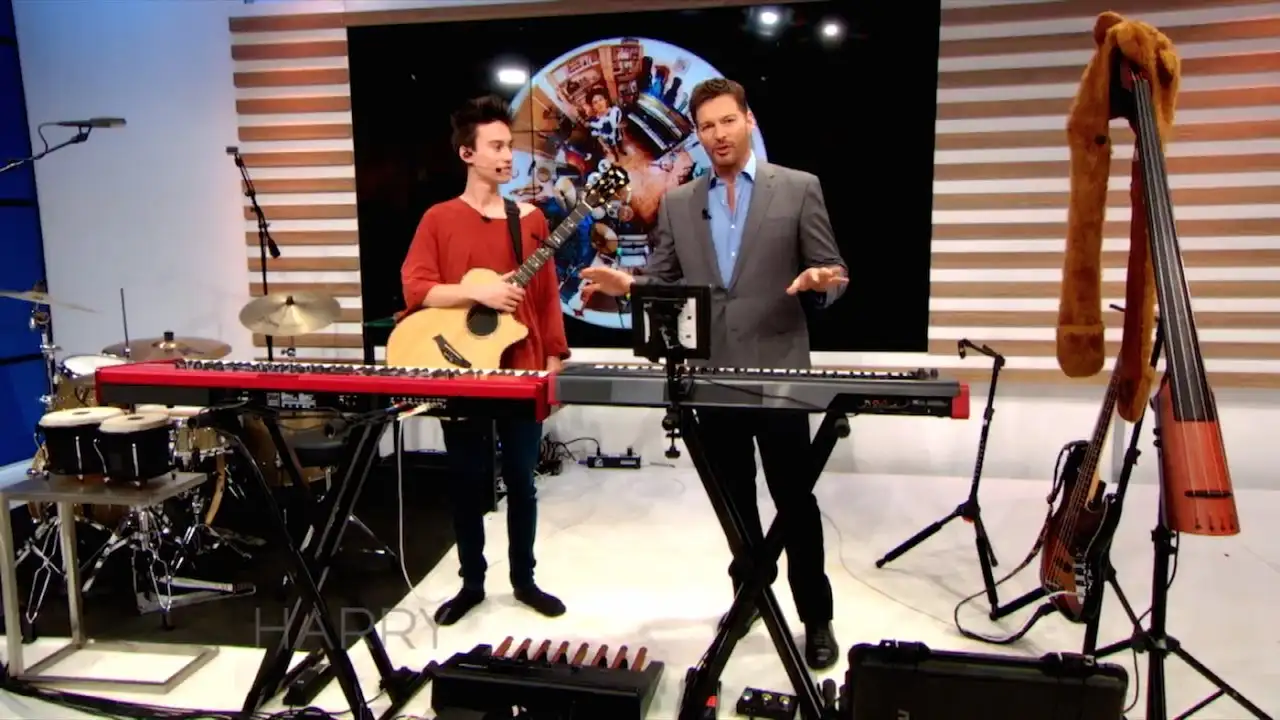
Start with “Performing on HARRY,” then the harmonizer solo in “Hide and Seek.”
- 01
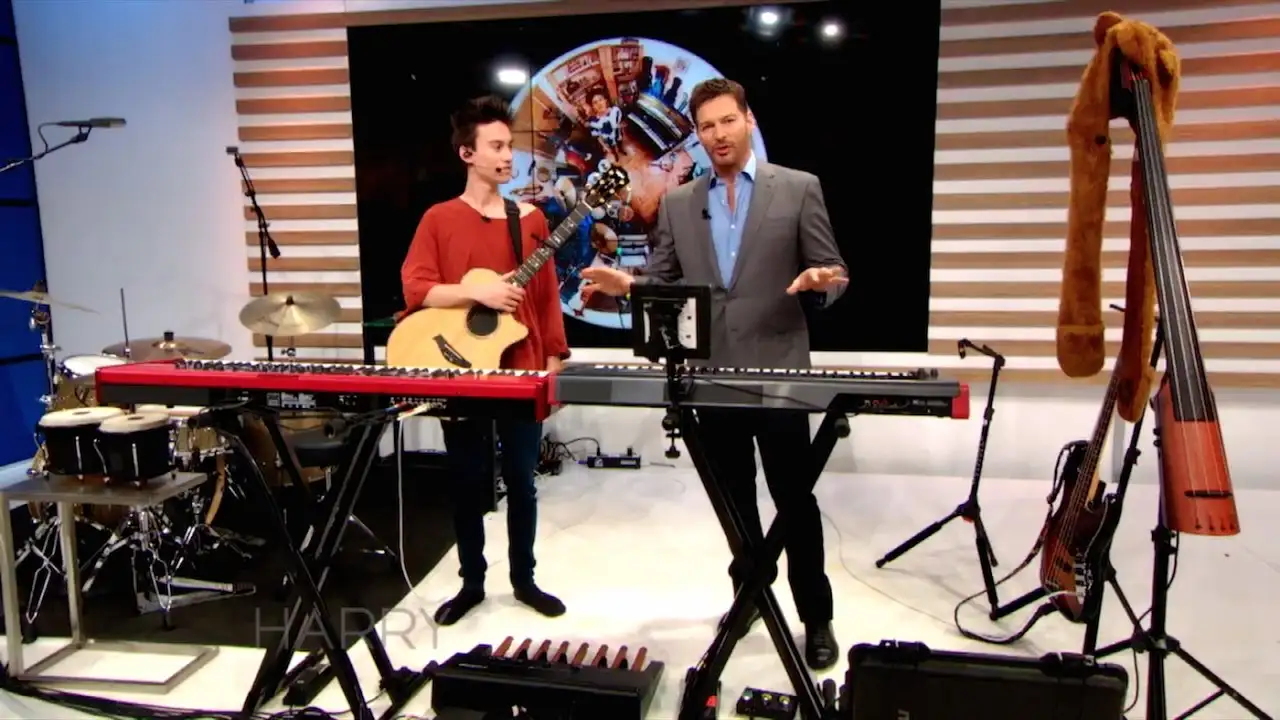 4:07Performing on HARRYQuincy Jones Productions, 2017 · Quincy Jones Productions
- 02
 8:02Hide and SeekLive at House, 2017: harmonizer solo · Jacob Collier
- 03
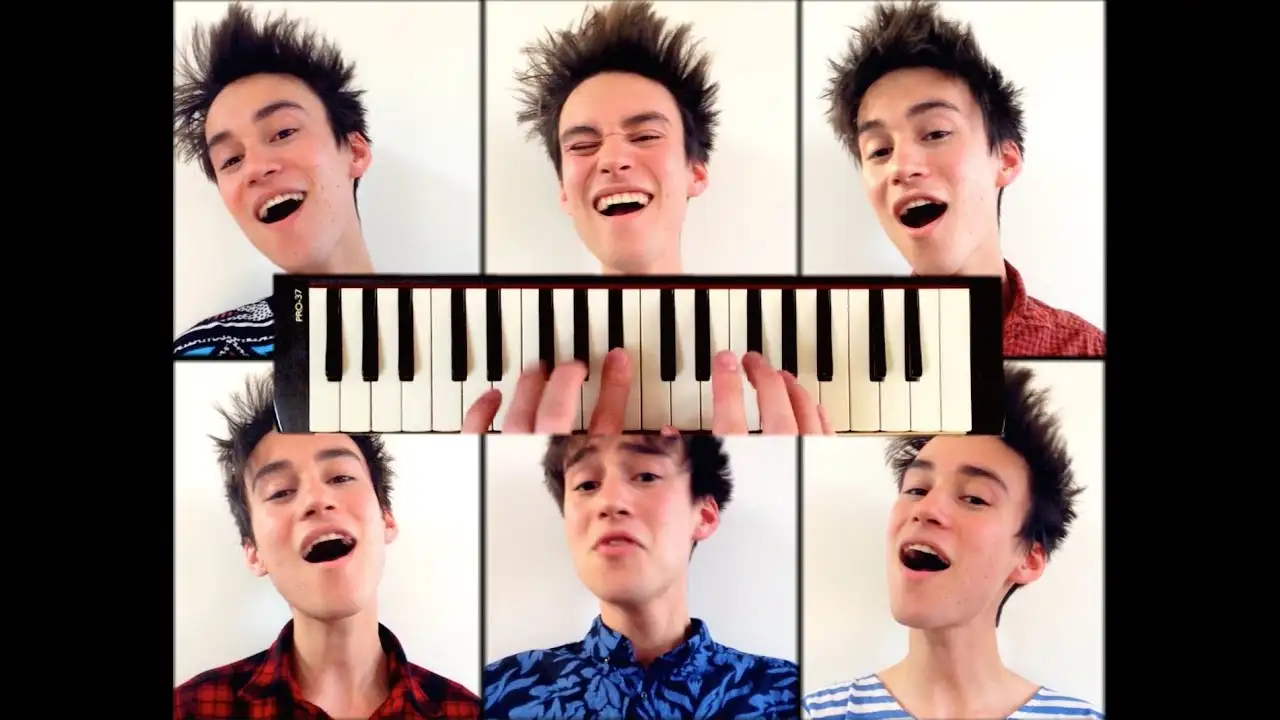 3:11FlintstonesIn My Room, 2016: GRAMMY, arrangement · Jacob Collier
- 04
 1:36:51Logic session breakdown: Moon RiverLivestream, 2019 (1 h 37 min) · Jacob Collier
- 05
 1:09:48The emotional playground of musical harmonyHideaway Retreat masterclass, 2025 (1 h 10 min) · Jacob Collier
- 06
 2:34Introducing the 5-string signature guitarsWith Taylor Guitars, 2025 · Jacob Collier
Written down by ear
June Lee’s interview and three transcriptions · 4 videos · 32 min
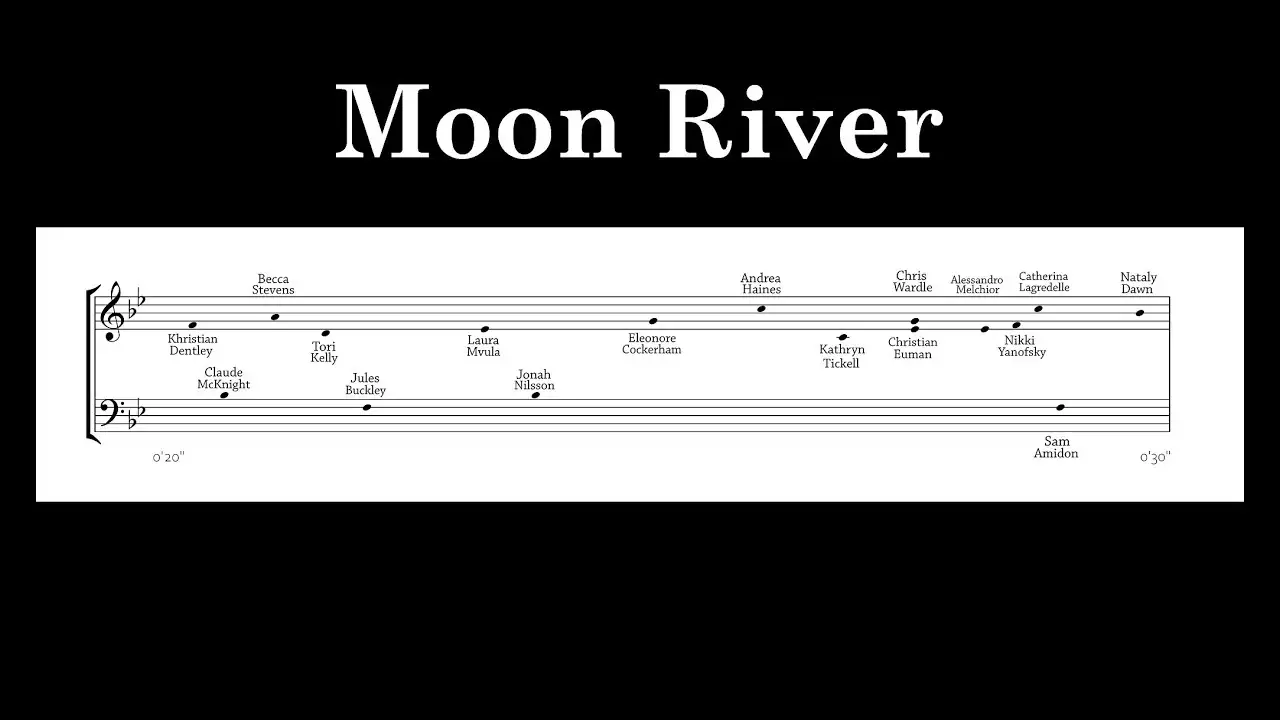
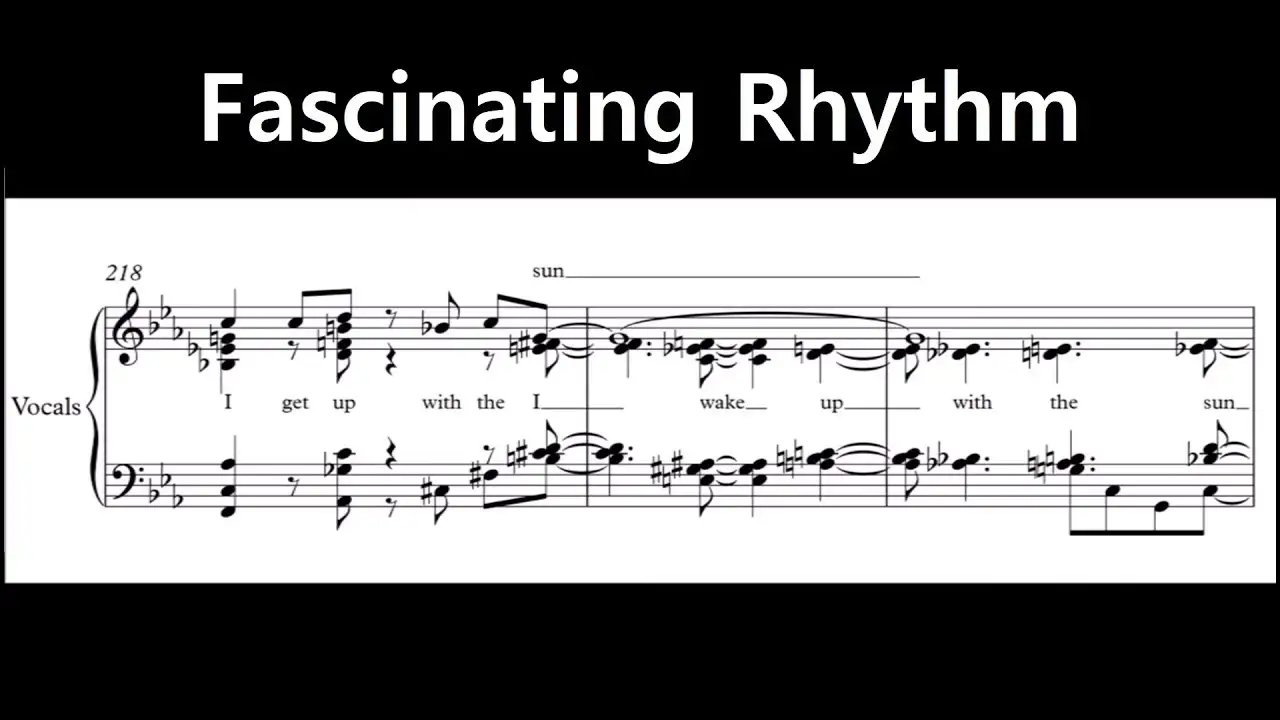
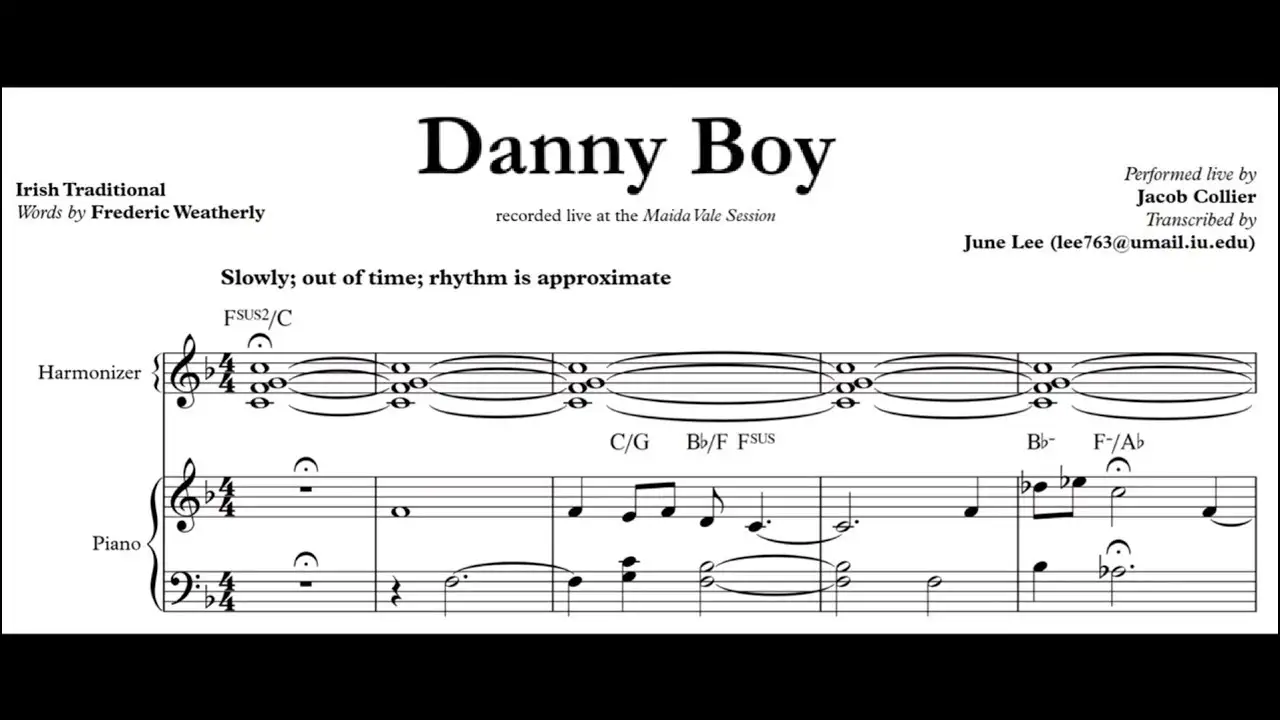
The negative-harmony interview above, then three of June Lee’s transcriptions: “Moon River,” “Fascinating Rhythm” and “Danny Boy,” every voice on the page as it plays.39,64 There are 44 in my playlist, from 21 channels: the transcribers.